




What is an air source heat pump? A plain-English guide for new home buyers
Articles
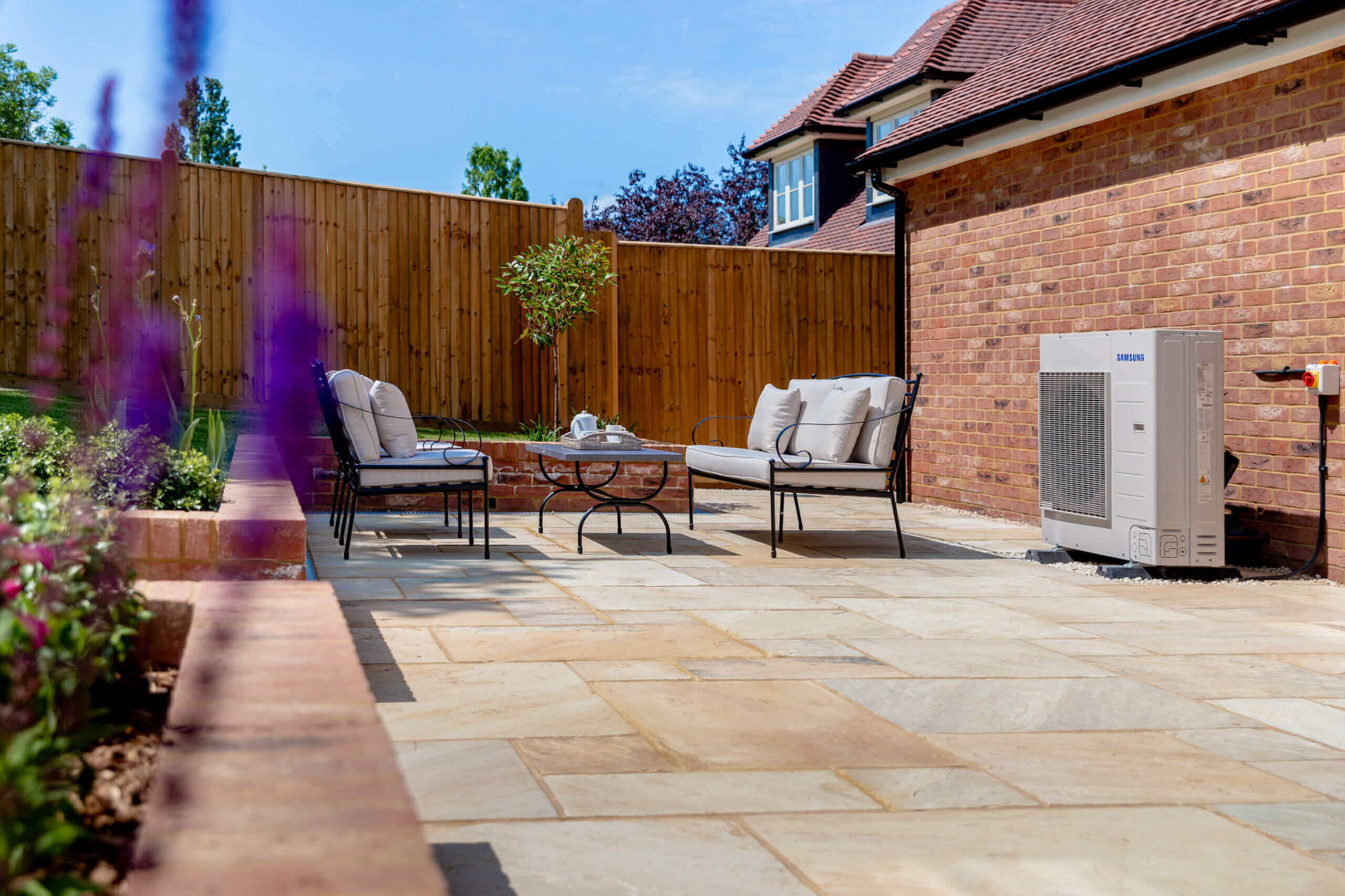
If you are buying a new home in 2026, you will almost certainly encounter an air source heat pump.
It may be the first time you have lived with one. The terminology can sound technical, the comparisons with gas boilers are not always straightforward, and the information available online ranges from genuinely useful to misleading.
This is a plain-English explanation of what an air source heat pump is, how it works in practice, what it costs to run, and what to expect when you move into a home that has one. Every Remmus home is heated by an air source heat pump as standard. We use Samsung systems throughout, paired with Joule underfloor heating to ground floor rooms and thermostatic radiators to upper floors. What follows is based on how these systems actually perform rather than how they perform in laboratory conditions.
What an air source heat pump actually does
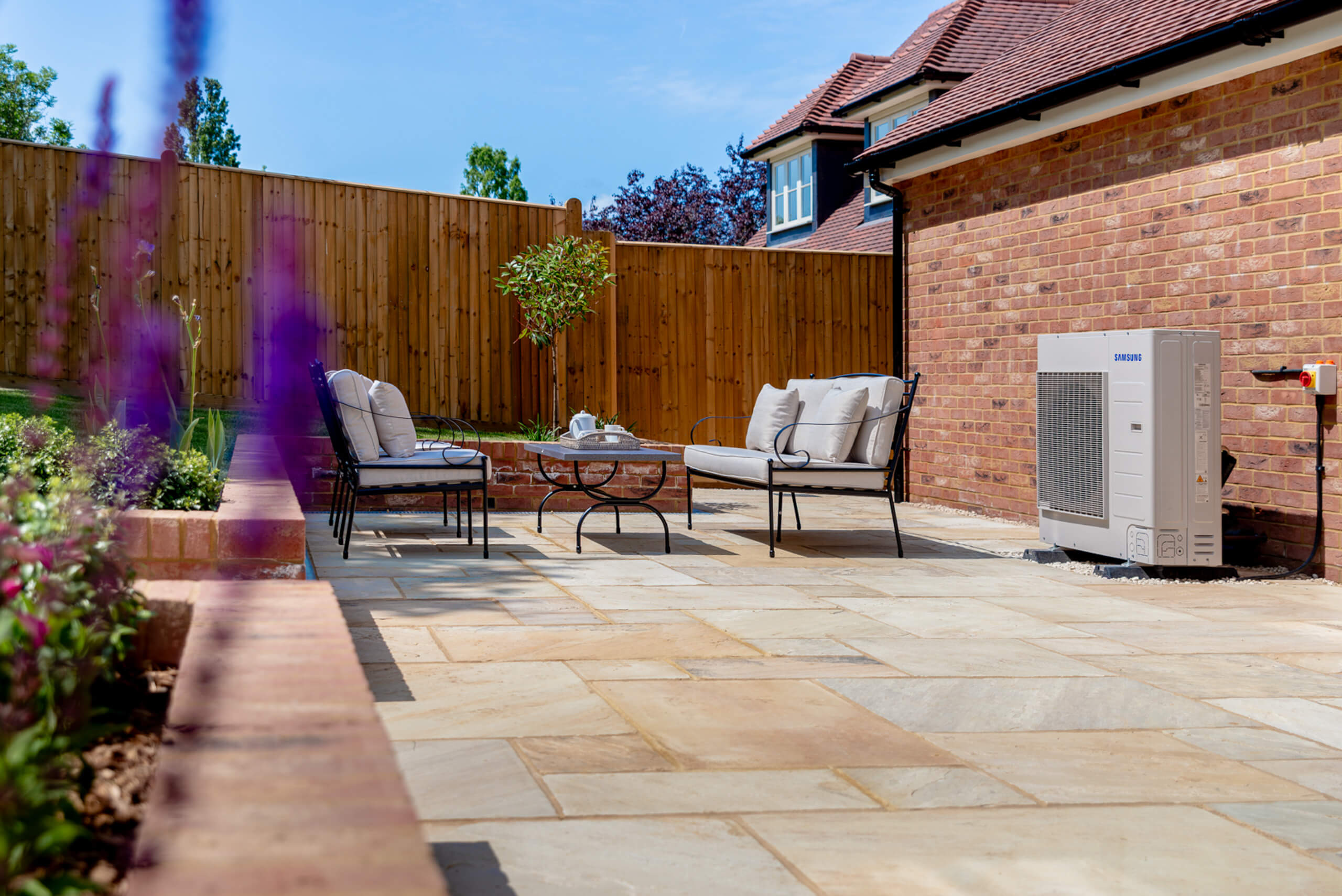
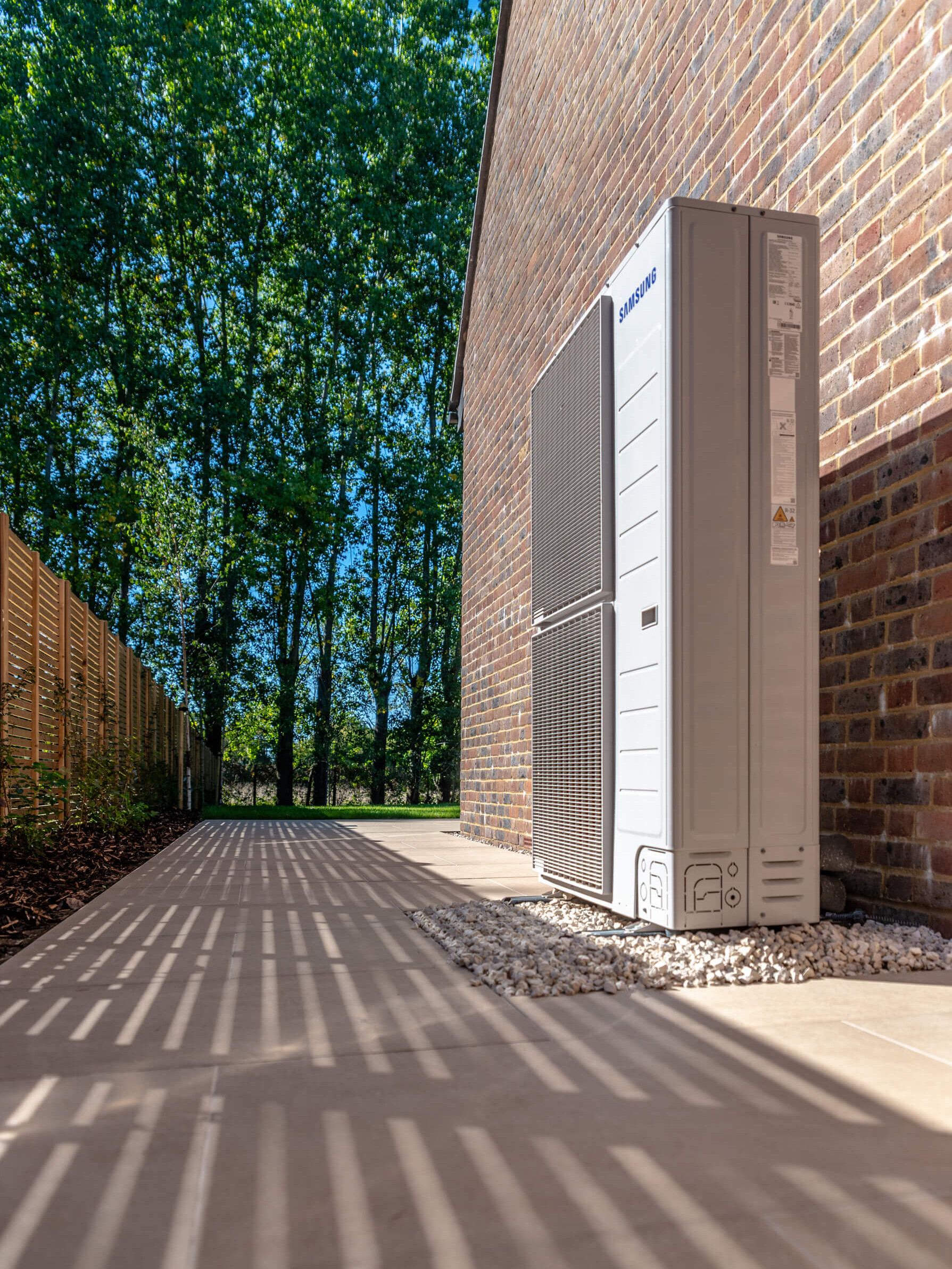
An air source heat pump extracts heat from outside air and moves it into your home. It works on the same principle as a refrigerator, but in reverse. Modern systems operate efficiently well below freezing, which means the British climate is not a problem.
The unit sits outside the house. Inside, the experience is broadly similar to a conventional heating system. Underfloor heating feels the same whether it is driven by a heat pump or a boiler. Thermostatic controls work in the same way. The main difference is in how you use it; more on that below.
How it compares to a gas boiler
A gas boiler produces heat quickly at high temperatures. A heat pump works more efficiently at lower flow temperatures and performs best when run consistently rather than in short bursts. The practical upshot: set a steady background temperature and leave it, rather than switching the heating on and off through the day. Most people find this more comfortable than the heat-and-cool cycle of a conventional boiler.
Running costs depend on your tariff and usage. Heat pumps use electricity rather than gas, and electricity costs more per unit, but a well-specified heat pump delivers two to four units of heat for every one unit of electricity it consumes. As gas prices have risen and heat pump technology has improved, the running cost gap has narrowed considerably.
Running cost figures are indicative. Actual costs depend on energy tariffs and household usage. Current guidance at energysavingtrust.org.uk.
Underfloor heating and why the two work together
Every Remmus home has underfloor heating to all ground floor rooms as standard. Underfloor heating runs at the lower water temperatures at which a heat pump operates most efficiently; the two systems are designed for each other. Heat rises evenly across the whole floor rather than from a single radiator, which means no hot spots and no cold corners. The floor is warm underfoot. Most people who live with it find it difficult to go back.
EV charging and photovoltaic panels
Every Remmus home includes EV charging as standard, which connects naturally to the heat pump as part of the broader shift away from fossil fuels. Running an electric vehicle from a home with a heat pump means the energy costs of both heating and transport can be substantially reduced compared to a conventional home with a gas boiler and no EV provision.
Not every Remmus development includes photovoltaic solar panels; this depends on the orientation and characteristics of the specific site. Where they are included, they generate electricity that can power the heat pump and charge an electric vehicle, reducing what is drawn from the grid. In summer months, a well-positioned array can cover a meaningful proportion of household electricity use.
What to expect when you move in
Run the system consistently rather than on demand. Avoid turning it off when you go out; reheating a cold house costs more than maintaining a steady temperature. Your installer will commission the system before handover and walk you through the controls. Samsung systems, which Remmus uses throughout, have straightforward digital controls and a smartphone app.
If you have questions about the heating system in a specific Remmus development, get in touch, and we will talk you through how it is configured for that home.


Why buy a new build home? Eight reasons that matter in 2026
Articles
The question most buyers eventually ask is a simple one: new build or older property?
Both have their appeal. Older homes carry character that takes time to develop. But when you look at what a well-built new home offers in 2026, the case is more compelling than it has ever been.
This is not a general argument for new builds. It is a specific argument for choosing a home that has been built carefully, in a location that was chosen deliberately, to a standard that is designed to last. The eight reasons below are the ones that matter most to the buyers we speak to.
1. Everything works, and nothing needs doing
A new home is complete when you move in. New wiring, new plumbing, new insulation, new roof. No surveys revealing deferred maintenance. No compromises on what you wanted because of what the previous owner chose. The kitchen is yours from day one. So is everything else.
For buyers who have experienced the reality of renovating an older property, this is not a small thing. The predictability of moving into a home that requires nothing has a value that rarely appears in a comparison spreadsheet but matters enormously in practice.
2. Running costs are significantly lower
New homes built to current building regulations are substantially more energy-efficient than older properties. Better insulation, higher-performance glazing, and modern heating systems combine to reduce what you spend on energy every month.
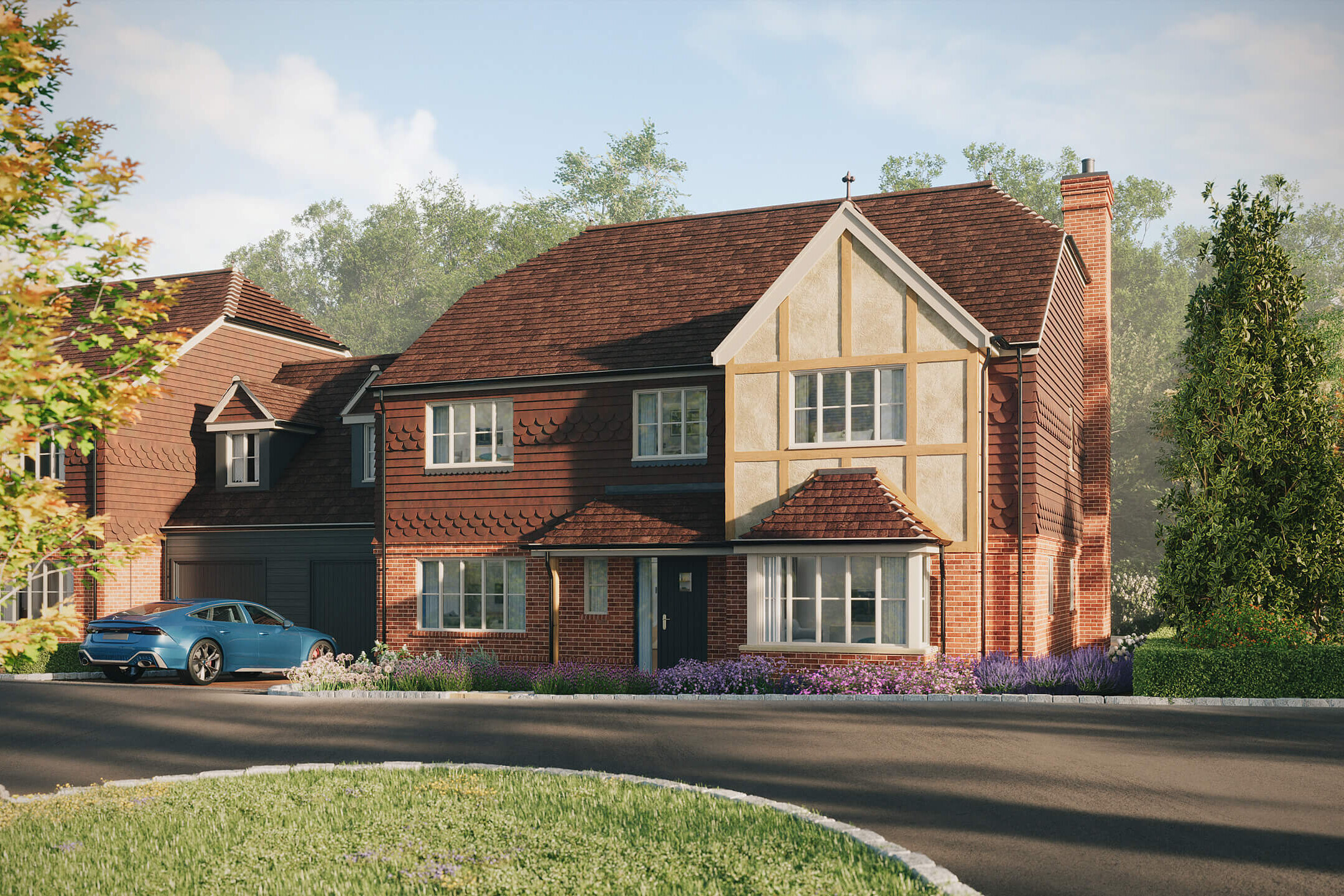
At Remmus, every home is heated by an air source heat pump rather than a gas boiler. Underfloor heating to ground floors. EV charging as standard. Homes built to deliver a positive biodiversity net gain. The running costs of a Remmus home are a meaningful improvement on an older equivalent, and that gap is likely to widen as energy costs remain variable and older homes require expensive retrofits to keep pace with tightening efficiency standards.
The Future Homes Standard, introduced in 2025, requires all new homes to produce 75-80% fewer carbon emissions than those built to 2013 regulations. Remmus homes are built to current standards throughout.
3. A 10-year structural warranty
Every Remmus home comes with a 10-year structural warranty. This covers the fabric of the building against major structural defects for a decade from completion. It is protection that older homes simply cannot offer and that mortgage lenders increasingly expect.
In the first two years, any defects or issues with the build are the developer's responsibility to resolve. This is a material difference from purchasing an older home, where the principle of caveat emptor applies and what you see is, broadly, what you get.
4. No chain
You are the first owner. There is no chain of buyers and sellers above you, no sale that has to complete before yours can proceed, no risk of a transaction collapsing because someone three steps removed from you changes their mind.
In a market where complexity and uncertainty can delay or derail purchases, the simplicity of a new build transaction is a genuine advantage. You agree terms with the developer and you complete. That clarity is worth more than it might appear at the point of searching.
5. Designed for the way life is actually lived
New homes reflect how people live now, not how they lived when the house was built. Open-plan kitchen and family spaces. Ground floor layouts that flow properly. Storage that is thought about rather than retrofitted. Bedroom sizes that accommodate modern furniture rather than the dimensions of a 1930s wardrobe.
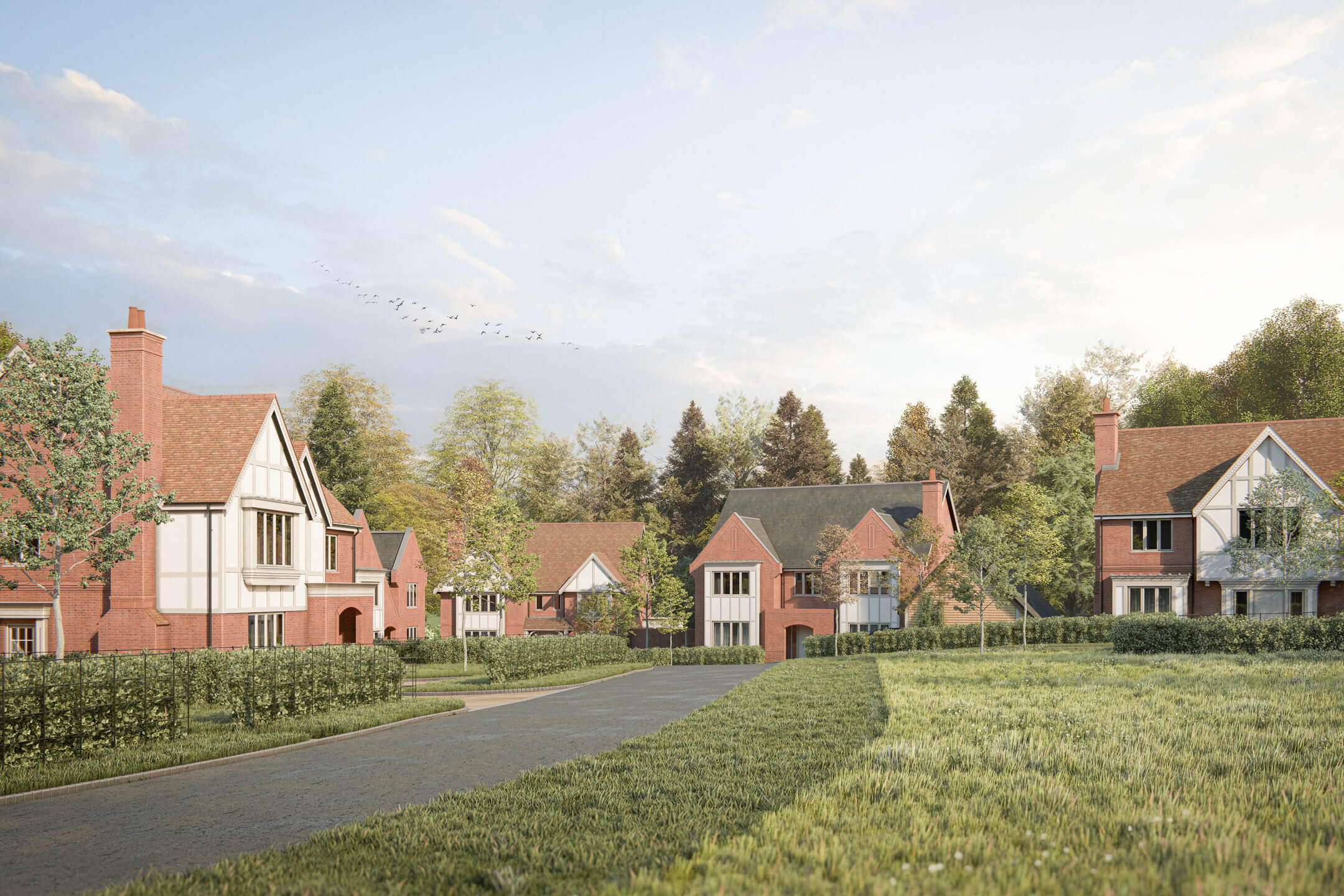
At Remmus, this goes further. Every home is individually designed for its plot and its setting. Layouts respond to the orientation of the site, the views available, and the kind of life the home is designed to support. There are no standard house types applied across a development regardless of where they sit. Each one starts from the specific place it will stand.
6. A specification you can rely on
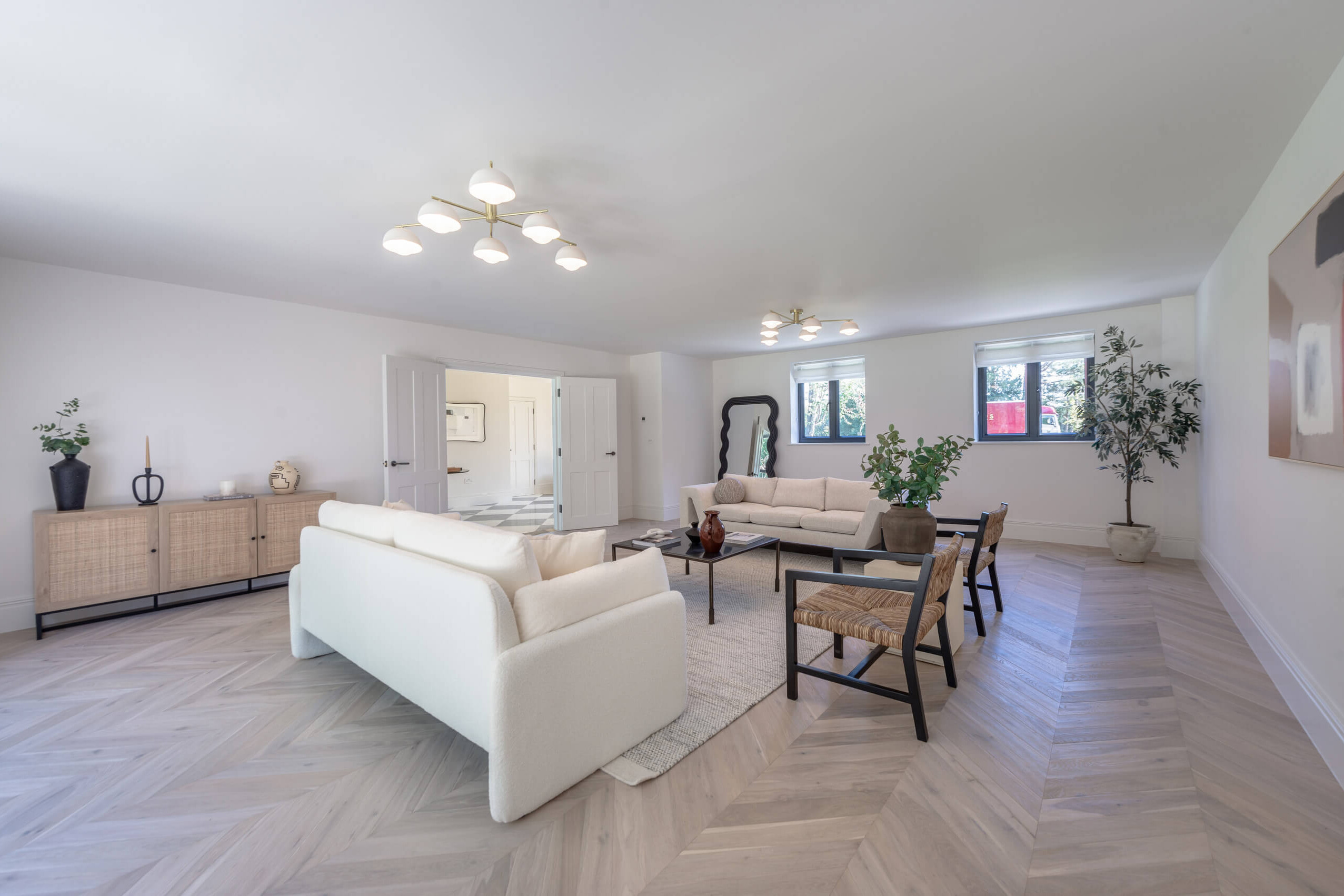
The specification of a Remmus home is set before you buy and delivered without compromise. Individually designed kitchens by Windmill Kitchens. Quooker instant hot water taps. Havwoods oak flooring. Little Greene Slaked Lime to walls and woodwork. Crosswater sanitaryware with Mandarin Stone tiling. These are the materials and products that go into every home, chosen because they perform well and wear well, not because they photograph well in a brochure.
With an older home, you inherit someone else's choices. With a Remmus home, the specification is the starting point, and it is consistent across every room.
7. Location chosen for a reason
Volume housebuilders go where land is available and planning permission is obtainable. Remmus works differently. Every site is selected because the location is worth building in: a specific village, a considered setting, a place that will make sense to live in for the long term.
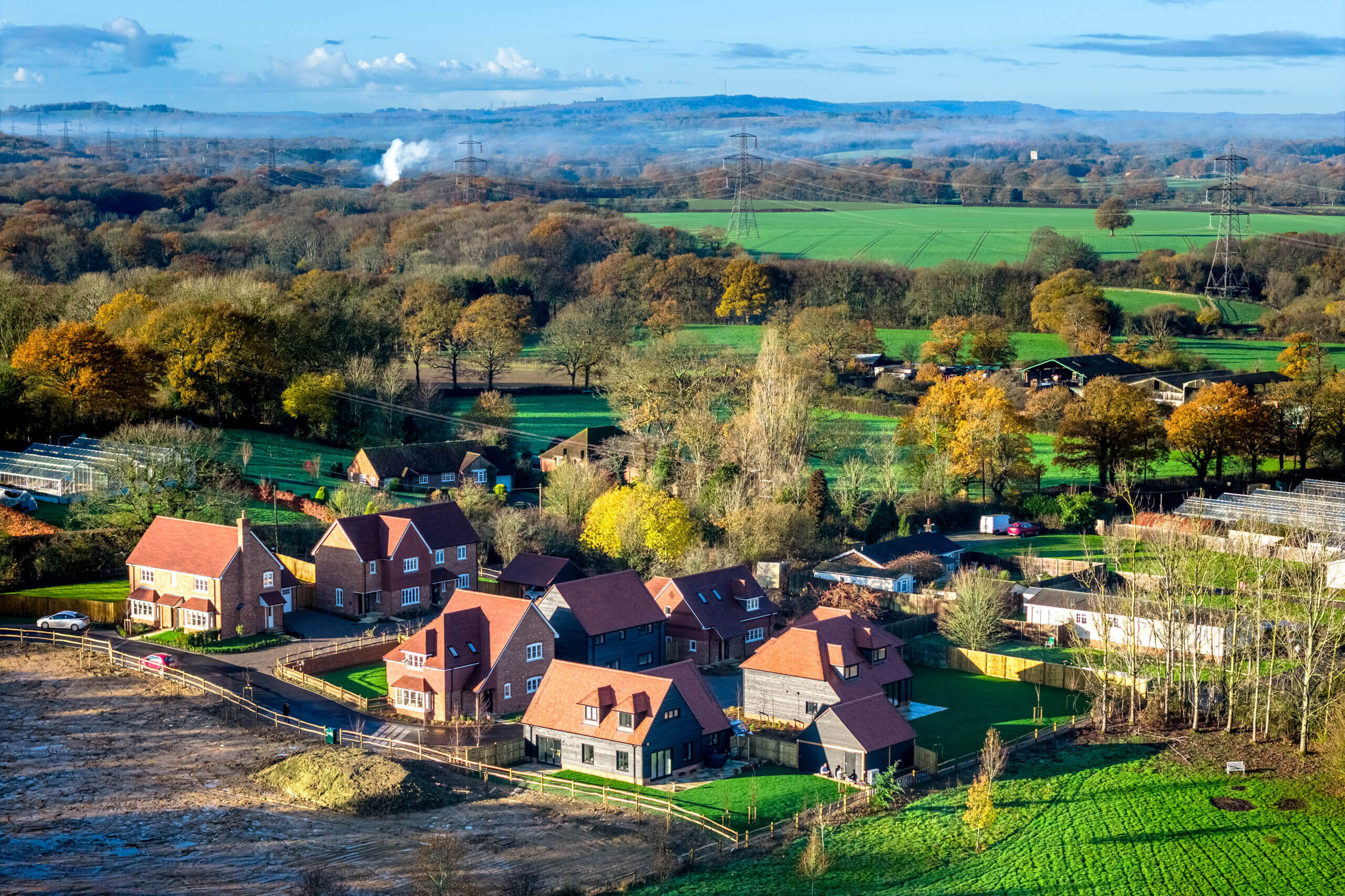
Wisborough Green. Ardingly. Cowfold. Cuckfield. Hassocks. Graffham. The locations in the Remmus portfolio are places people choose to live, not places that happen to have planning permission. That distinction matters when you are thinking about what a home will be worth to you in ten or twenty years, not just on the day you move in.
8. Director-led from start to finish
At Remmus, Sam Watling is involved in every development from site selection through to completion and beyond. There is no sales team operating at arm's length from the people who built the homes. When you have a question, you are speaking to someone who knows the answer because they were there when the decision was made.
For buyers who have dealt with larger developers, this is a difference that becomes clear quickly. The homes are small in number by choice. The attention that comes with that is not a marketing claim. It is the way the business works.
None of these reasons applies equally to every new build. The quality of what is built, the care taken in the design, and the location chosen matter as much as the fact that a home is new. What they describe is what a well-built, well-located, individually designed new home offers in 2026.
If you would like to talk through what Remmus is currently building, get in touch. Sam will talk you through what is available and what is coming.